


Choosing new home windows involves much more than selecting a style that complements your home’s exterior. While appearance certainly matters, the true value of a window comes from how well it performs over time. Quality windows help maintain a comfortable indoor environment, improve energy efficiency, reduce outside noise, and continue operating reliably for years.
If you’ve ever looked at window specifications and felt overwhelmed by unfamiliar terms and ratings, you’re not alone. Understanding a few basic performance measurements can make it much easier to compare products and choose home windows that fit your needs and your climate.
Why Window Performance Matters
Windows are one of the hardest-working parts of any home. They allow natural light inside, provide ventilation, and protect your home from changing weather conditions. When home windows perform well, they help keep indoor temperatures consistent, reduce drafts, and lessen the workload on your heating and cooling system. Over time, that can contribute to lower energy costs and greater year-round comfort.
Rather than focusing only on the frame material or glass package, it’s helpful to understand the performance ratings that measure how efficiently a window does its job.
U-Factor: Measuring Insulation
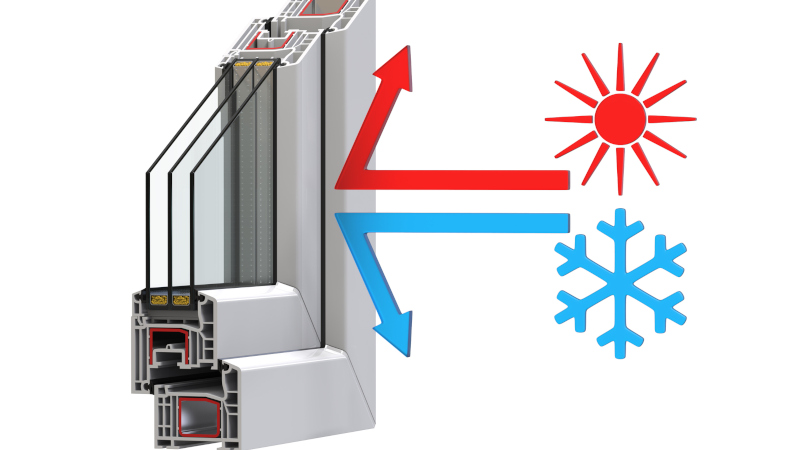
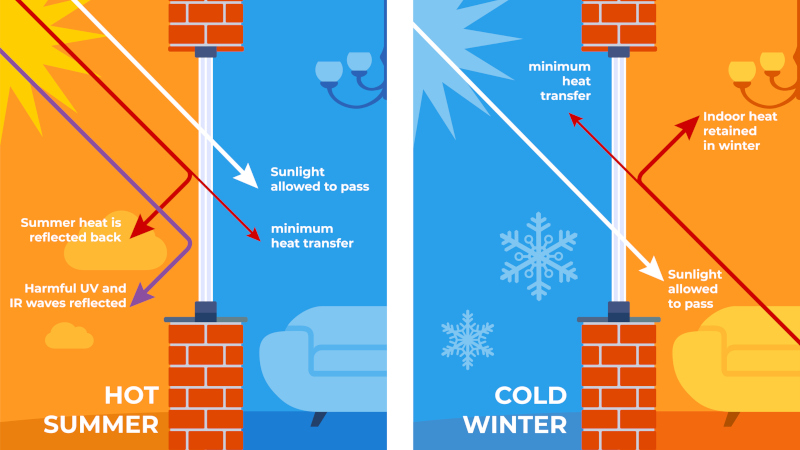
One of the most important ratings you’ll encounter is the U-Factor. This measures how quickly heat passes through a window. The lower the U-Factor, the better the window insulates your home by slowing heat transfer.
A lower U-Factor is especially valuable in colder climates because it helps keep warm air inside during the winter. However, good insulation benefits homeowners everywhere by creating a more stable indoor temperature throughout the year.
Solar Heat Gain Coefficient (SHGC)
The Solar Heat Gain Coefficient, commonly called SHGC, measures how much of the sun’s heat passes through the glass. This rating ranges from 0 to 1.
- Lower SHGC values block more solar heat, making them beneficial in warmer climates where reducing indoor heat gain is a priority.
- Higher SHGC values allow more solar warmth to enter, which can be useful in colder regions where sunlight helps offset heating costs.
The ideal rating depends largely on where you live and the orientation of your home. Your window company can help with finding an appropriate rating and make recommendations based on the unique characteristics of your home.
Visible Transmittance
Visible Transmittance (VT) measures how much natural daylight passes through the glass. Higher ratings allow more sunlight to enter without necessarily increasing heat gain when paired with modern glass technologies. Finding the right balance between natural light and energy efficiency can help create bright, comfortable living spaces while maintaining indoor comfort throughout the seasons.
Air Leakage
Even an energy-efficient window can lose much of its effectiveness if outside air easily passes around the sash and weatherstripping. Air Leakage ratings indicate how much air enters through a closed window under standardized testing.

Lower air leakage ratings generally mean fewer drafts, better comfort, and improved energy efficiency. Well-designed seals and quality construction help maintain consistent performance for many years.
Condensation Resistance
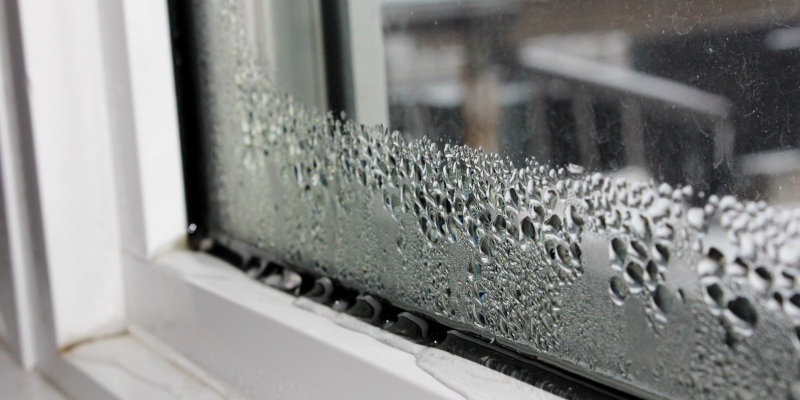
Condensation forming on the interior surface of a window can be more than just an inconvenience. Excess moisture may contribute to mold growth or damage surrounding materials over time. Condensation Resistance ratings estimate how well a window resists interior moisture buildup. Higher ratings generally indicate better overall thermal performance and improved indoor comfort, especially during colder weather.
Quality Is About More Than One Number
It’s tempting to compare home windows based on a single specification, but no individual rating tells the whole story. The best-performing products combine efficient glass, durable frame materials, effective weather seals, and thoughtful engineering into a complete system.
Professional installation also plays a major role. Even the highest-quality home windows may not deliver their expected performance if they are improperly installed, allowing air or moisture to enter around the frame.
Making a Confident Decision
Understanding window performance doesn’t require an engineering degree. By becoming familiar with key measurements like U-Factor, SHGC, Visible Transmittance, Air Leakage, and Condensation Resistance, you can compare products with greater confidence instead of relying solely on marketing claims.
When evaluating your options for home windows, consider how each performance rating supports your home’s comfort, energy efficiency, and long-term durability. Choosing quality windows designed for your climate—and having them installed correctly—can provide dependable performance and lasting value for many years to come.
Our team is happy to help you assess the various ratings so you find the right home windows for your needs. Reach out today to learn more or to get started!